AI will change organizations the most.
Yet organizations are the slowest to get there.
Dodannylab places an AI teammate in each organization. It learns how you work and takes a little more off your plate every day. Not sure where to start? Tell us about the work and we’ll email you its screens.
People already use it.
To polish a paragraph, translate a note, plan a trip. For a person, AI is a convenience, and it is fine if it is a little clumsy.
Organizations are different.
In an organization, waste is money leaking every month. The same numbers typed in three times, spreadsheets merged by hand, work waiting for the one person who knows. That is where AI would pay off most, and it is exactly where it has not landed.
Three hundred small companies were asked why they don’t use AI. Fewer than one in twenty named the cost. Eight in ten said their business has no use for it.
Why small firms don’t use AI (Korea Federation of SMEs, 300 firms, Nov 2024)
Ask the 1,256 small business owners already using AI and nine in ten say it helps. Ask how many have it inside the work they actually run on, and it is barely one in seven.
1,256 US small business owners already using AI (Goldman Sachs 10,000 Small Businesses · Babson, Mar 2026)
What stops it is not the tool.
It is how each organization works.
AI like ChatGPT or Claude is already smart enough. The hard part is teaching it your order of things, your exceptions, the way each client is a little different.
That does not happen in one go. Someone has to keep learning beside you. And at first it takes trust: hand over something small, see how it goes, then hand over a little more.


A tool you have to learn ends up unused.
With a teammate who learns beside you,
you just say what you need.
So Dodannylab does it.
Large organizations have done this with people: engineers placed inside the organization, learning next to the team and building as they go. It works, and it is expensive, so only large organizations could do it.
Dodannylab fills that seat with AI. A small organization can have it for a monthly subscription, with nothing to learn. You just ask. We want more organizations to share in what AI can do.
You don’t need to know
where to start.
- Anyone · Free
Three lines, then screens
Tell us how you do the work today and what slows you down. Your screens usually arrive by email within a day. Attach the spreadsheet you use and we put its values in as they are. The conversation carries on over that email.
- Subscribers · Free
We move in together the first month
We bring over your spreadsheets and files and make the first requests with you. It takes real hands, so we take three organizations a month.
- Subscription
After that, say it and it changes that day
Your teammate learns your organization, takes requests, fixes and ships. First response in 2 minutes, on screen in 16.
- As needed · Free
We stay until it feels natural
We practice together how to hand work to your teammate.
Why you can trust it.
- Every organization has its own server and data
- Nothing is ever mixed with another organization.
- We don’t build and leave
- No handover, no sign-off. We stay.
This is how it runs today. Every request takes the same path.
You say it
One line, in the chat beside the screen or in the Slack you already use. “Add a contact column to the supplier list.”
Your teammate understands it
Every organization has its own teammate. It knows your data and everything you have asked before, so you never start from scratch.
It builds and checks its own work
It writes the screen and runs it. Nothing ships until the checks pass.
It ships to your server only
One server and one database per organization. Your data never sits beside anyone else’s.
It keeps watching afterwards
It watches through the night and calls a person only when something is off.

54 requests at the two companies using it (14–18 Sep 2026) · time to screen excludes waiting on the customer; requests that build a new screen are counted separately
A nursing hospital and an accounting firm are on it today. One of the two runs two teammates side by side.
Most conversations lead
to one of these three.
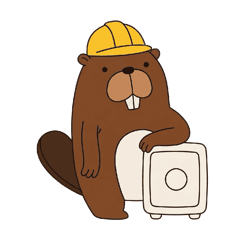
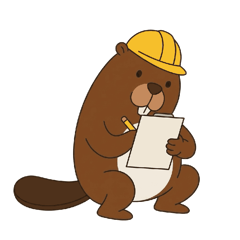
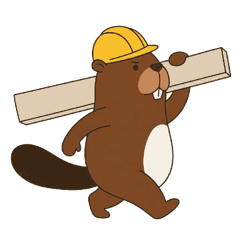
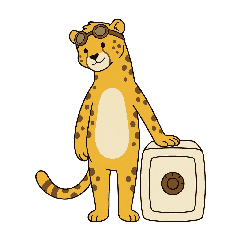
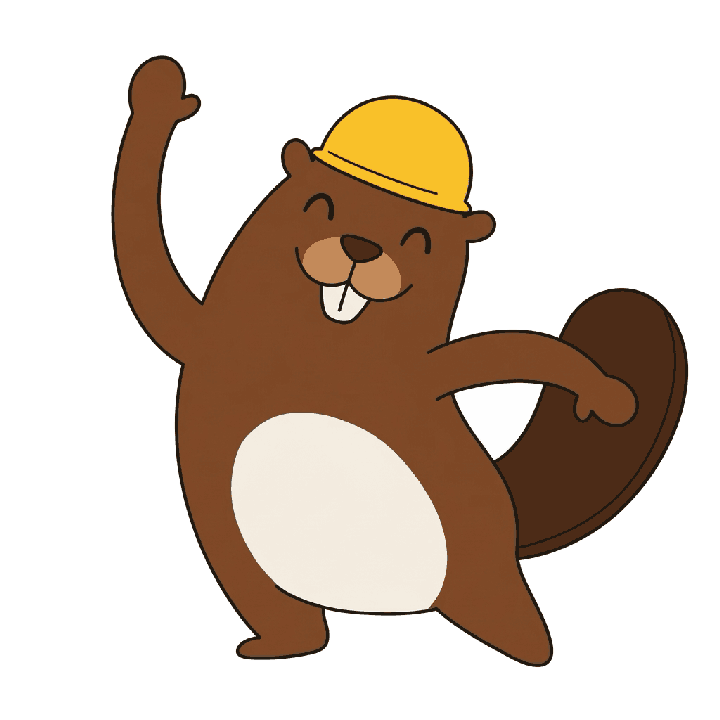
Beaver ERP turns the work behind your doors, like stock, clients and billing, into screens. Cheetah Web runs the website your customers see. Octo Crew keeps work moving in Slack. If you already know what you need, go straight there.
BeaverERP
Builds the software your company runs on, and fixes it when you say so.
Beaver plan $360 / month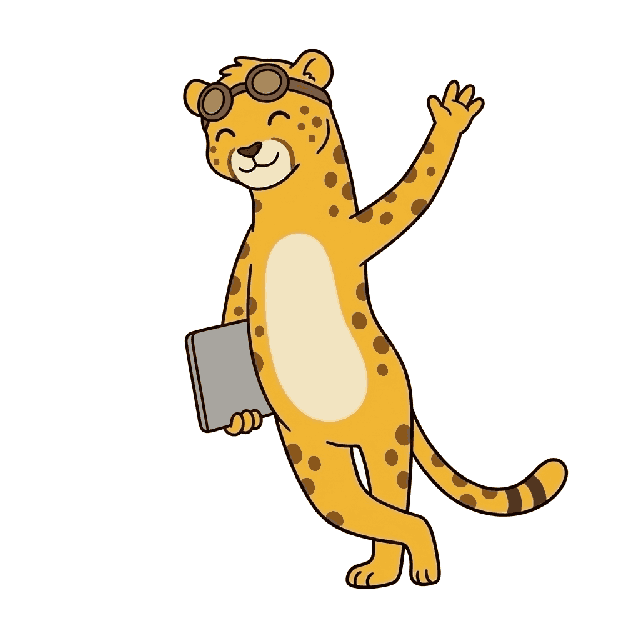
CheetahWeb
Builds your company website and changes it the moment you ask.
Cheetah plan $72 / month
OctoCrew
A staffer who watches the chat rooms your company already works in.
Octo plan $360 / month
The next desk
When another job turns up inside a company, we bring in another animal for it. That takes days.
What people ask
before getting in touch.
Is it really free
Yes. Reading what you wrote, building the screens and emailing them costs nothing. Even after you sign up and start using it, we don’t bill the first month.
What should I prepare
Just how you work today. The spreadsheet you open every morning, numbers someone copies by hand, questions people keep asking twice. No need to tidy anything first.
I don’t know which one fits
You don’t have to. It usually becomes clear from what you write. Screens for things like orders, stock and billing are Beaver ERP, the website your customers see is Cheetah Web, and work to keep track of in your chat channels is Octo Crew. Use two and they connect on the same server.
Is our data safe
Each organization gets its own server and database, on AWS Seoul with daily backups, never mixed with anyone else’s. The data is yours, and it all comes back to you if you stop.
What if the AI gets it wrong
That’s why you start small. Your teammate checks its own work before shipping, and puts things back if you ask. Anything that can’t be undone, like sending mail or deleting, isn’t done straight away — you hear about it first.
Tell us how
you work today.
Three lines is enough. Your screens usually arrive by email within a day.